



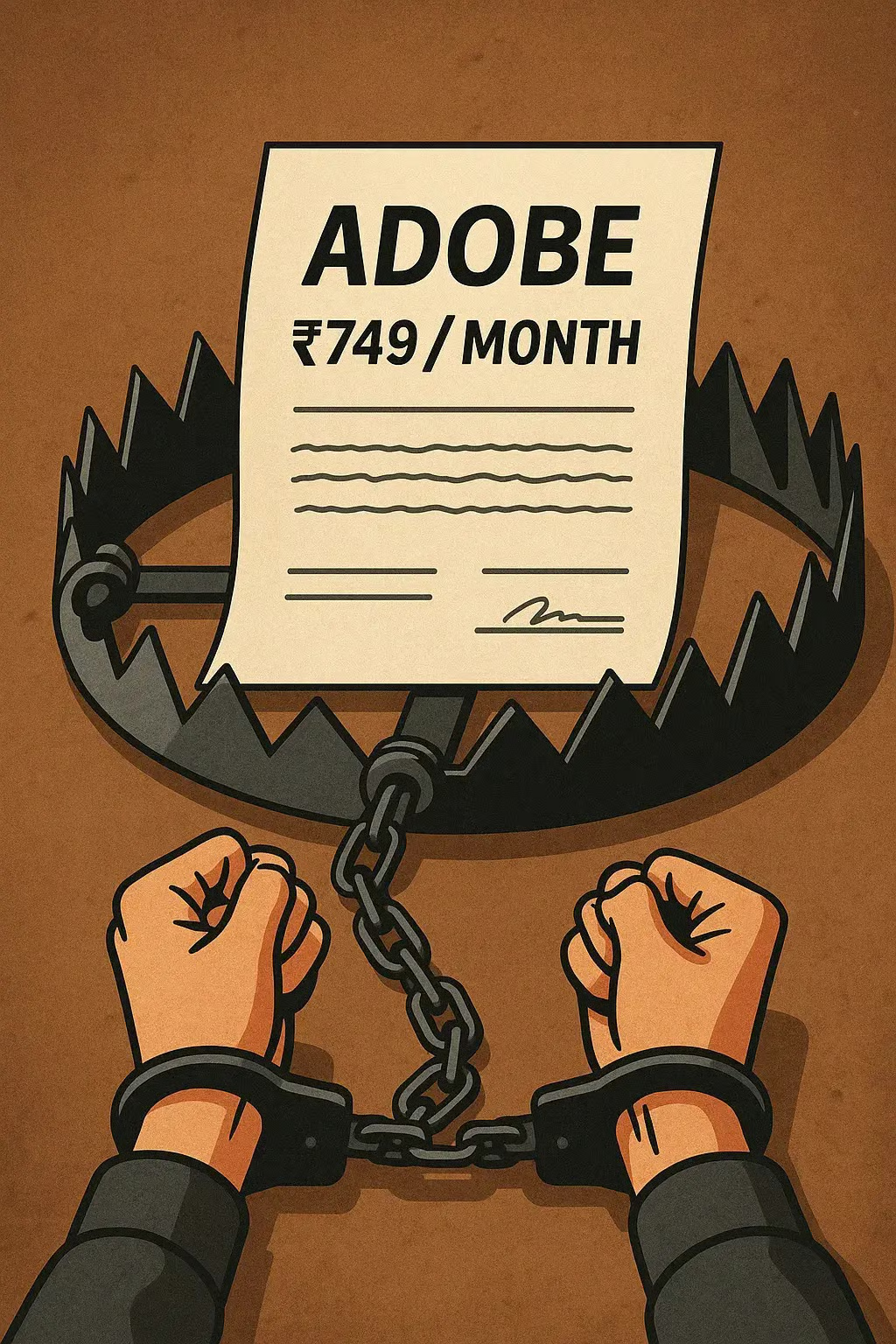
Core InsightsAdobe's ₹749/month pricing often disguises a binding 12-month contract. Canceling after 14 days triggers a 50% early termination fee on the remaining balance. This guide exposes Adobe’s deceptive 'Annual Plan, Billed Monthly' trap, details the recent FTC lawsuit over dark patterns, and provides creators with strategies to maintain financial flexibility.
Creators don't fear subscriptions—we fear traps.
Every professional creator has heard this story: You sign up for an Adobe Creative Cloud plan advertised as ₹749/month or ₹1,675/month. Naturally, you assume it's a flexible monthly plan.
Then, six months later, you try to cancel the service, and Adobe charges you a staggering 50% of the remaining annual amount. This scenario proves that what you thought was a simple monthly subscription is, in reality, a lock-in disguised as flexibility.
The Adobe ₹749 Trap: Decoding the "Annual Plan, Billed Monthly"
The core issue lies in the fine print that Adobe rarely leads with. This is the hidden clause:
If you cancel an annual plan billed monthly after the first 14 days, you’ll pay 50% of your remaining annual balance.
This isn't a rumor; it is clearly written on Adobe’s official Subscription & Cancellation Terms. When Indian creators see a "₹749/month" offer, they are effectively buying a 12-month contract billed monthly, not a flexible month-to-month subscription.
If you cancel midway, you are immediately charged half of what’s left—often amounting to several thousand rupees upfront. That is the true cost of the advertised monthly rate.
Even the Regulators Agree: The FTC Sued Adobe Over Cancellation Fees
The controversies surrounding these hidden charges aren't just creator complaints; they have reached regulatory bodies. In June 2024, the U.S. Federal Trade Commission (FTC) took legal action, suing Adobe for allegedly using deceptive design and hiding “early termination fees” (ETFs) in its most popular plans.
The lawsuit claims that Adobe deliberately made the cancellation process confusing and costly, echoing what creators worldwide have been complaining about for years.
While Adobe responded by denying wrongdoing, the fact remains: regulators now see the same dark pattern that has been frustrating us for years.
Why This Adobe Subscription Model Hurts Creative Professionals
For creators, this restrictive "annual plan, billed monthly" structure is more than just a financial headache—it actively stifles creativity and career flexibility.
You Lose Creative Freedom
Creators constantly experiment—switching tools, trying new workflows, and adjusting budgets based on client load. When your core software punishes you financially for leaving, it severely limits your willingness to experiment and grow.
You’re Locked Into Tools That Slow Innovation
The entire creator economy is moving rapidly. We are seeing incredible developments in AI-driven video editors, sophisticated browser-based design tools, and mobile-first editing apps. Being stuck in a rigid one-year contract prevents you from testing these faster, often better, alternatives.
You Pay for “Downtime Months”
Every creator faces slow seasons. Perhaps you're shooting or editing less, or taking a break from freelancing. With Adobe’s annual contract, you are forced to either continue paying for unused software or pay the expensive fee to break the contract.
It Sets a Dangerous Precedent
When industry leaders normalize anti-creator billing practices, smaller software tools start copying them. We must call this practice out now before excessive "cancellation fees" become the standard norm across the industry.
The Specifics of the ₹749 Plan Confusion Explained
In the Indian market, the deceptive phrasing is particularly prominent on Adobe’s pricing pages. You will often see plans listed clearly with the monthly rate, but with the key phrase tucked away in parentheses:
- Acrobat Pro ₹799/month (first year, annual plan, billed monthly)
- Photoshop ₹1,675/month (annual plan)
The phrase “annual plan billed monthly” is the critical distinction that most creators overlook. It confirms that despite the periodic billing, you are entering a non-cancellable, 12-month commitment.
Crucial Takeaway: “₹749 per month” does not mean “cancel anytime.” It means you are locked in for a year, unless you pay a massive fee to exit.
You can verify these terms on the Adobe India help page for Annual plan billed monthly terms or the main Adobe India plan pricing pages.
How to Avoid the Adobe Subscription Trap
Fortunately, creators can take proactive steps to protect their finances and creative freedom:
Choose “True Monthly” Plans
If you require flexibility, always choose the true month-to-month subscription option. While it costs slightly more each month, it provides genuine flexibility and allows cancellation without penalties. Always read the plan type carefully before checking out.
Mark the 14-Day Refund Window
Adobe allows customers to cancel within the first 14 days of purchase for a full refund. After this short window, the punitive 50% early termination fee automatically applies. Set a calendar reminder!
Consider Creator-Friendly Alternatives
Many modern, AI-powered tools now rival or exceed Adobe’s capabilities without demanding a 12-month lock-in. Explore alternatives built for the fast-moving creator economy:
ButterCut AI: An AI video editing tool that automates subtitles, B-roll, and dubbing. They offer transparent monthly pricing and a pay-as-you-go credits option.
Other Alternatives: Canva Pro, Figma, and DaVinci Resolve all offer highly flexible, cancel-anytime options ideal for modern creators.
Keep Screenshots of Your Subscription
If you ever face an unfair or unexpected charge, comprehensive documentation (including screenshots of your confirmation page and terms) is crucial when disputing fees with your bank or seeking resolution via regulatory bodies.
Conclusion: Fairness Over Fine Print
Adobe’s subscription model isn’t necessarily illegal—the policy is, after all, written in the fine print—but that doesn’t make it fair. It is an outdated model that punishes professional creators for exercising basic budgetary control.
Creative software should liberate creators, not trap them in restrictive 12-month contracts disguised as flexible monthly payments. If Adobe’s tools are truly world-class, customers will stay because of the inherent value they provide, not because of the threat of punishing exit fees.
Final Thought: Creators build the internet’s best stories, designs, and videos. We deserve tools that are just as transparent as we are. If your creativity is month-to-month, your software should be too.
Sources Referenced:
- Adobe Subscription & Cancellation Terms
- Adobe India help page — Annual plan billed monthly terms
- Adobe India plan pricing
- FTC lawsuit via Reuters (June 2024)
- WSJ Coverage of FTC Action